
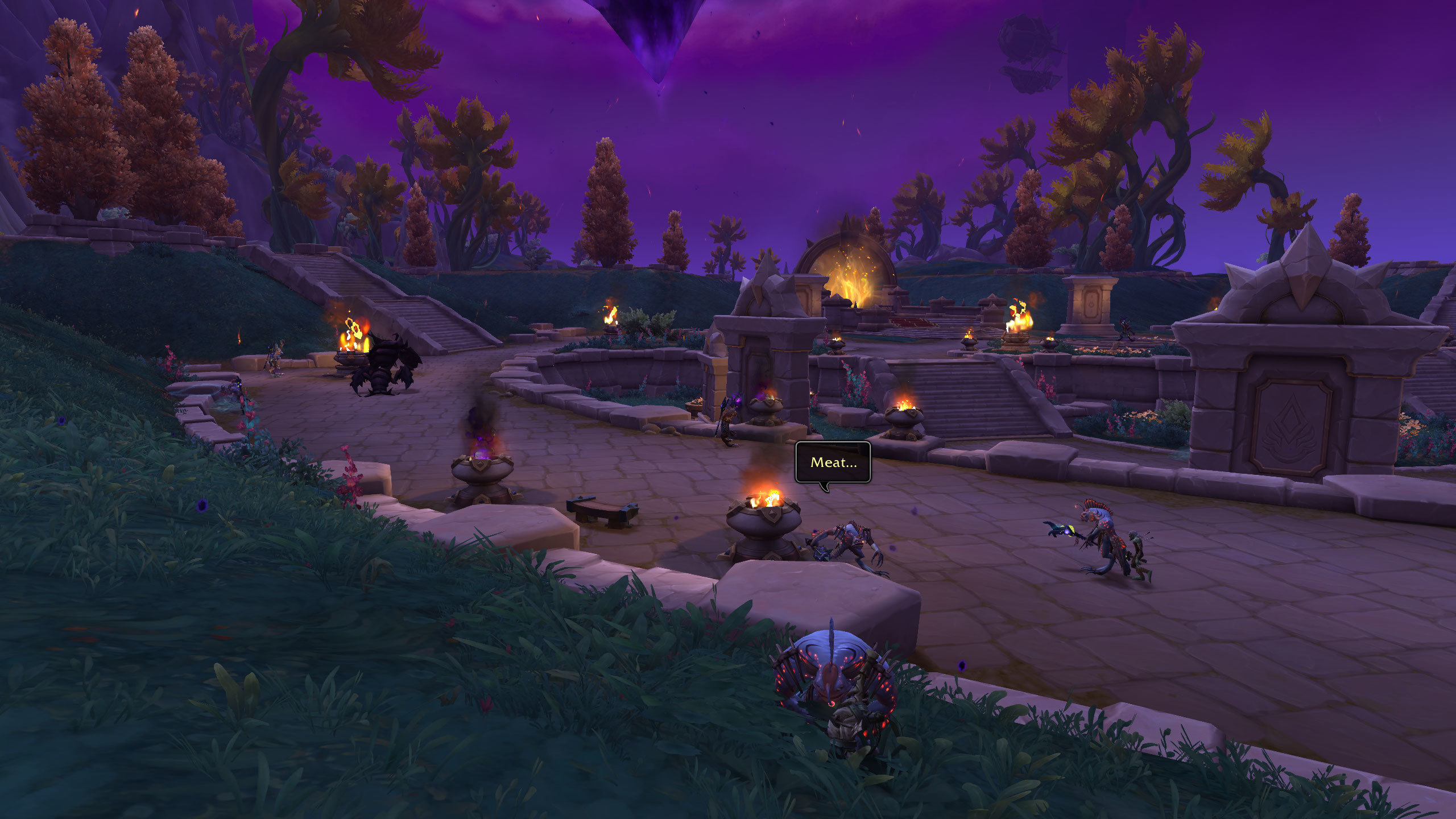
Two decades after its launch, World of Warcraft remains the benchmark by which all MMOs are measured. Countless titles have risen and fallen, yet Azeroth endures—evolving, adapting, and thriving in ways few games ever achieve. Its secret isn’t just content volume or nostalgia; it’s a balance of innovation, identity, and community that continues to define the genre.
This article explores why WoW’s staying power remains unmatched, from its design philosophy to its emotional connection with players across generations.
A Living World That Grows With Its Players
Since 2004, Azeroth has been more than a setting—it’s been a companion. Blizzard’s approach to iterative worldbuilding ensures the game never stagnates. Expansions reshape continents, introduce new systems, and evolve old ones without erasing their roots. Players who left years ago can return to find the world familiar yet refreshed, a digital home that remembers them.
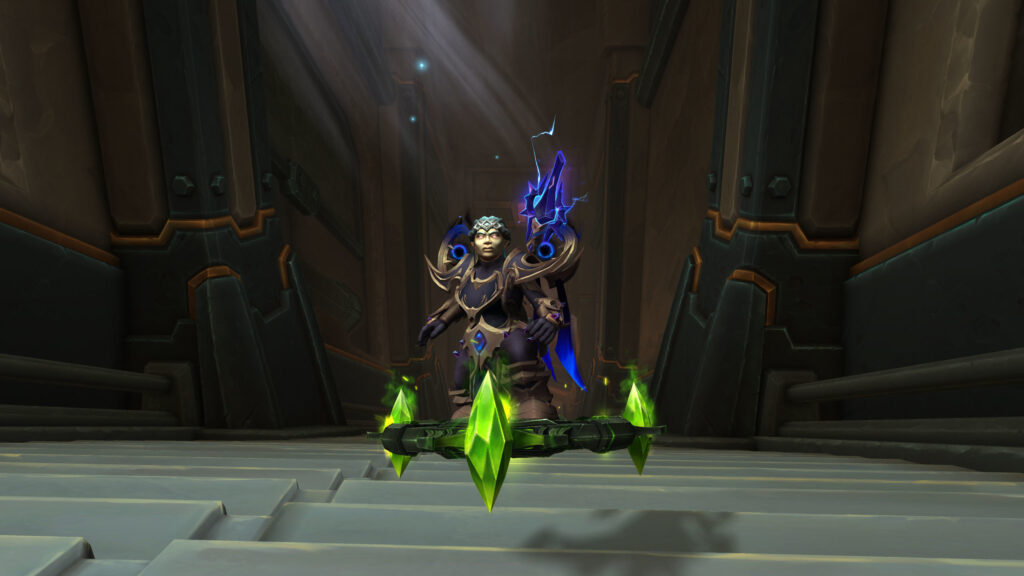
Each expansion isn’t just an update—it’s a living chapter in an ongoing story.
Community as the Core Pillar
WoW’s heart has always been its players. Guilds, raid groups, and casual communities form the backbone of its longevity. Whether competing in Mythic+ dungeons or casually chatting in Stormwind, social bonds keep players returning. Over the years, Blizzard’s introduction of cross-faction play and account-wide systems has further united these once-divided groups, turning old rivals into allies.
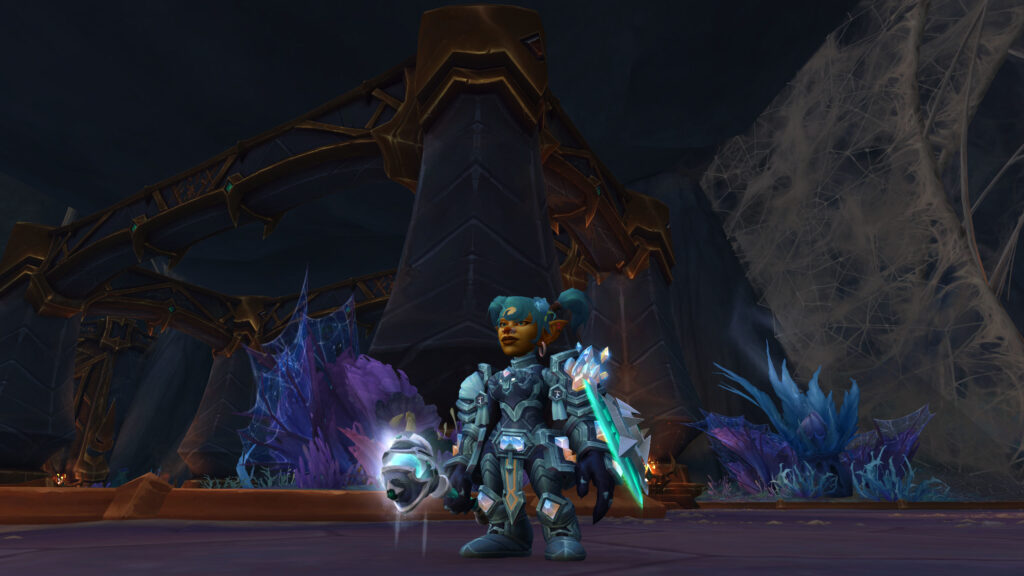
It’s not the world itself that keeps WoW alive—it’s the people who inhabit it.
Adaptation Without Abandonment
Few games reinvent themselves without losing their identity. WoW manages it through evolution, not revolution. Each expansion experiments—introducing new systems like Warbands or Delves—while respecting the foundation that players cherish. The developers understand that nostalgia is a strength when balanced with modern design. This rare equilibrium between change and consistency keeps WoW timeless.
It’s innovation guided by memory, not momentum.
- Classic Era: Focus on community and persistence.
- Wrath of the Lich King: Cinematic storytelling and emotional depth.
- Legion: Class identity and gameplay refinement.
- Dragonflight: Freedom and modernization through accessibility.
- The War Within: Unified progression with Warbands and shared legacy.
Emotional Continuity and Player Investment
What sets WoW apart isn’t just longevity—it’s loyalty. Players have grown up with their characters, forging emotional bonds that transcend gameplay. For many, Azeroth represents memories of friendship, challenge, and self-expression. This emotional continuity gives every login a sense of return, not repetition. It’s why the game still inspires devotion after twenty years.
WoW’s greatest expansion isn’t a patch—it’s the player’s own history.
Design Philosophy: Accessibility Meets Depth
Blizzard’s design ethos has always balanced simplicity with mastery. New players can learn the basics quickly, while veterans can spend years refining skill. Systems like Mythic+, PvP seasons, and Warbands ensure that progression feels endless yet approachable. This adaptability keeps both casual and competitive audiences engaged—an equilibrium few MMOs have managed to achieve.
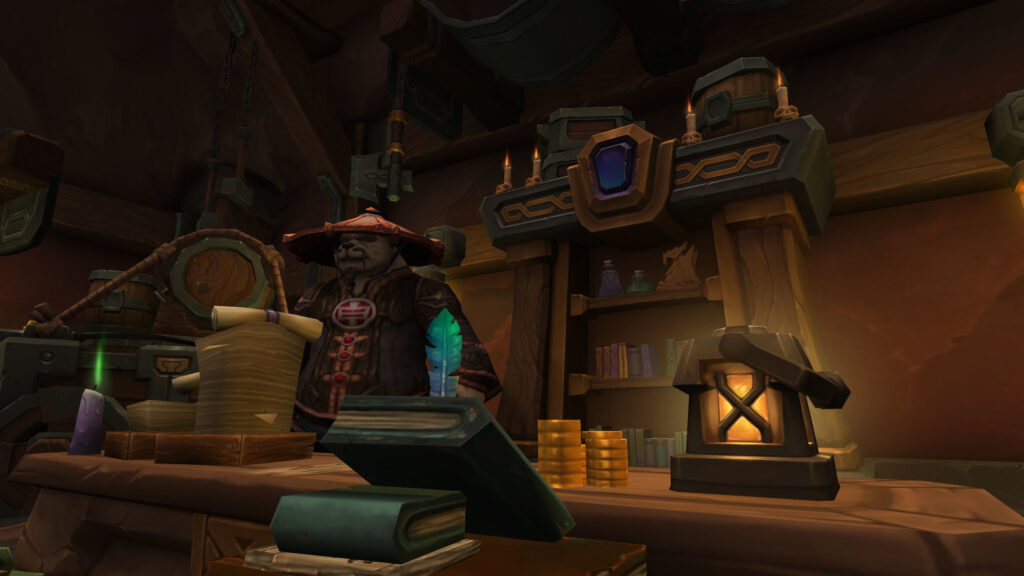
Every playstyle finds its place under Azeroth’s wide sky.
The Future of Longevity
With The War Within and the upcoming “Worldsoul Saga,” Blizzard is redefining what longevity means. By connecting storylines, streamlining systems, and integrating player feedback, WoW continues to lead rather than follow. The game’s evolution proves that true endurance isn’t about surviving competition—it’s about continually earning relevance.
WoW doesn’t chase time—it shapes it.
Conclusion
World of Warcraft’s legacy endures because it adapts without losing heart. It’s a universe built on player connection, innovation, and respect for its past. Every expansion adds a new layer to a story that never truly ends. Twenty years in, Azeroth remains more than a game—it’s a living archive of shared adventure, a testament to what happens when passion meets persistence.
MMOs come and go, but WoW continues to set the standard—because it never stopped being alive.