
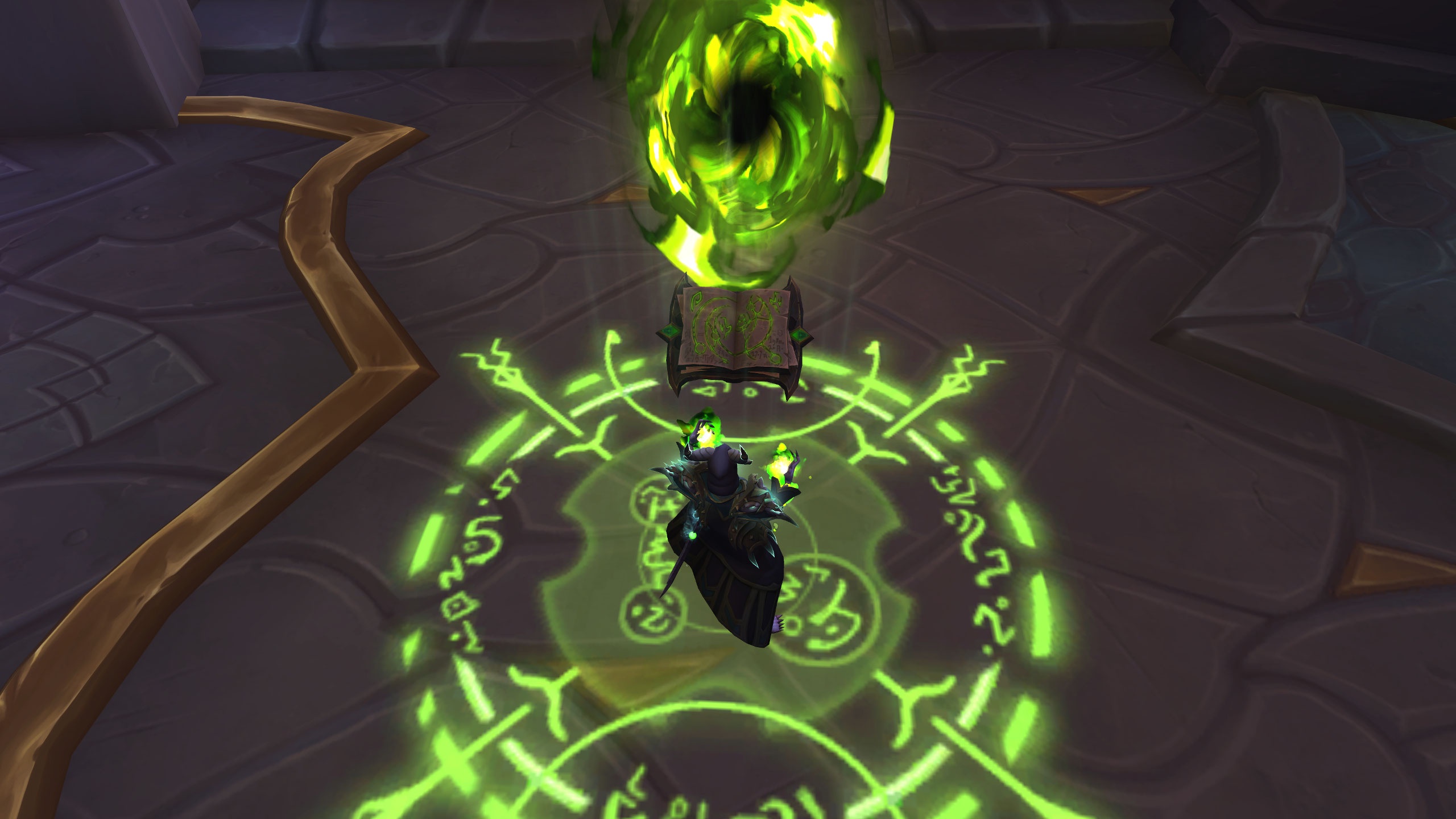
When *World of Warcraft: Legion* introduced the Artifact weapons, it wasn’t just a new feature—it was a groundbreaking change in how players approached progression in an MMORPG. The Artifact weapons became a central aspect of the *Legion* expansion, not only redefining how players customized and enhanced their characters but also influencing the design of future content in other MMOs. Let’s explore how Artifact weapons revolutionized gameplay in *WoW* and set new standards for MMORPGs.
The Birth of Artifact Weapons
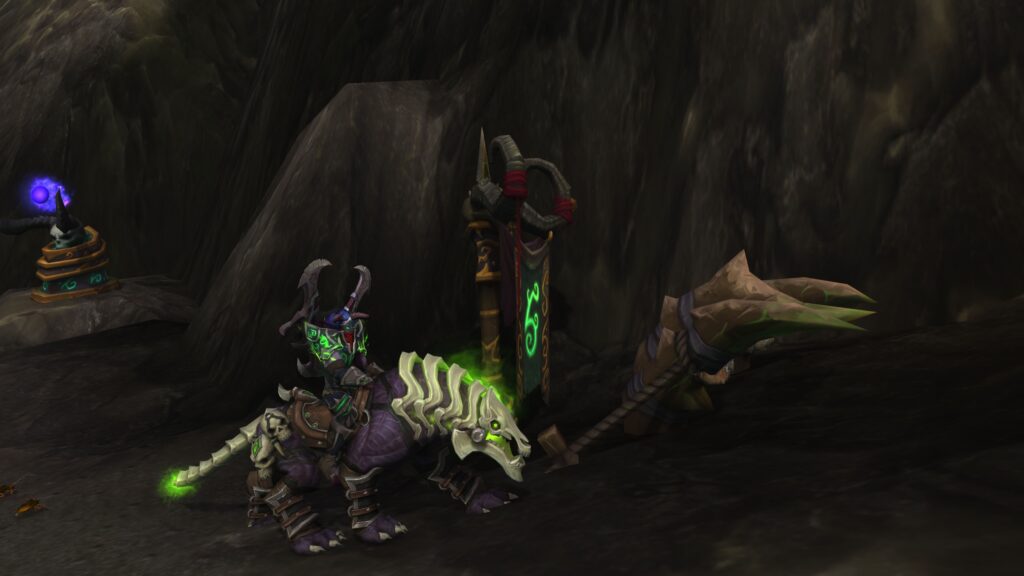
Before *Legion*, players had a wide variety of weapons to choose from, but they were typically just gear with basic stats and occasionally an enchantment or bonus effect. With the introduction of Artifact weapons, *WoW* introduced a deeply personalized system that allowed each class to wield a powerful, legendary weapon with its own unique progression path. These weapons, tied to the lore of *Legion* and often central to the story, had both cosmetic and gameplay implications that made them feel like true characters in their own right.
Players could level up their Artifacts by earning Artifact Power through quests, dungeons, and raids. This progression was visible and tangible, making the weapon feel like a core part of a player’s journey. Moreover, each Artifact weapon had its own unique talent tree, which allowed for further customization, enabling players to tailor their playstyle to their specific needs and preferences.
Personalization and Replayability
One of the most exciting aspects of the Artifact system was the level of personalization it offered. Each Artifact weapon had its own skill tree, featuring abilities and traits that players could unlock and specialize in. For example, a *Fury Warrior* could select talents that improved their damage output and ability cooldowns, while a *Holy Priest* could choose talents that boosted healing capabilities or crowd control effects. This provided a sense of ownership over the weapon and allowed for diverse builds within each class.
The sheer variety of talent choices and the ability to further customize your weapon’s powers not only encouraged replayability but also catered to players’ specific playstyles. Whether you were a casual player looking for an easier time or a hardcore raider wanting the best optimization, the Artifact weapon system allowed you to tailor the experience to your preferences.
The Lore Behind Artifact Weapons
Artifact weapons weren’t just about gameplay; they were also steeped in *World of Warcraft* lore. These powerful relics were tied to some of the game’s most iconic figures and moments. For example, the *Ashbringer*, wielded by Paladins, was once a sword that had been lost to time but was instrumental in the battle against the Scourge. Similarly, the *Felo’melorn*, the Mage Artifact, is closely linked to the legendary Highborne prince Kael’thas Sunstrider.
The rich history behind each weapon added depth to the gameplay experience. As players progressed with their Artifact, they were not only leveling up an item but also unlocking more of its backstory, creating a deeper emotional investment. This connection to the game’s lore enhanced the feeling of being a part of Azeroth’s most significant battles and gave players a unique sense of purpose as they wielded these legendary tools.
Game Design Implications: Influence on Future MMOs
Artifact weapons represented a major shift in MMO design, and their influence can be seen in later expansions of *WoW* and in other MMORPGs. The ability to customize a weapon to such an extent, with tangible and lasting progression, created a new standard for how RPG systems could be designed. The concept of a personalized, evolving weapon system offered deeper player engagement, creating both a connection to the item and an ongoing reason to play the game.
Other MMOs have since implemented similar systems, where weapons or gear can grow with the player and be customized in meaningful ways. Games like *Final Fantasy XIV* have adopted similar progression systems in their expansions, drawing inspiration from *WoW*’s Artifact system and further demonstrating how *Legion* set a new precedent for personalized progression in online games.
The End of Artifacts: What Came After
As the *Legion* expansion came to a close, the Artifact weapons were retired, leaving behind a legacy that reshaped the way players approached *WoW*. In *Battle for Azeroth*, the Artifact system was replaced by a new approach to character progression, but the concepts pioneered in *Legion* still resonate within the game’s evolving systems.
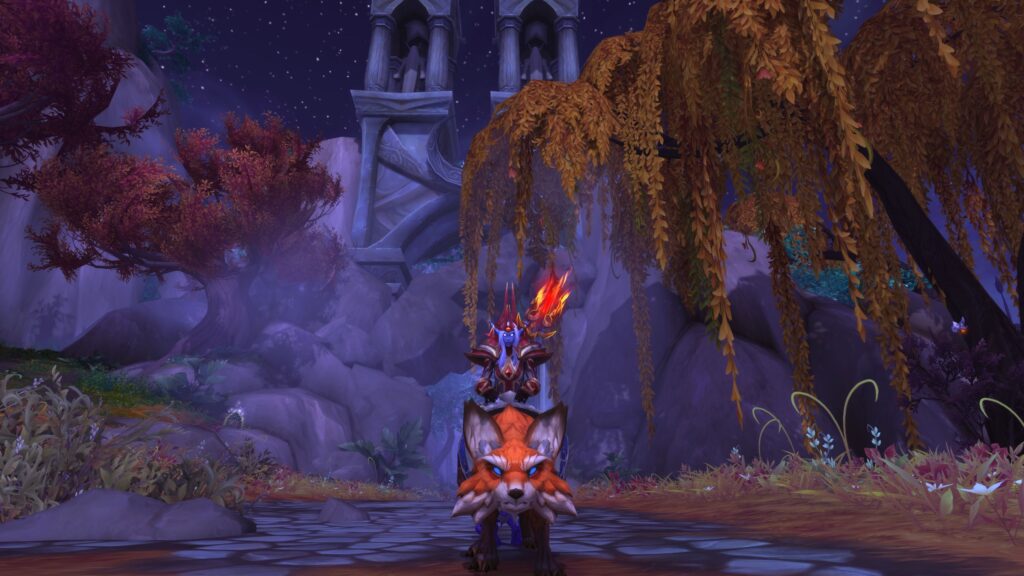
The retirement of Artifact weapons has left a hole in *WoW*’s progression system. Players fondly remember the days of farming Artifact Power and unlocking their weapon’s hidden potentials. The introduction of Azerite gear in *Battle for Azeroth* aimed to provide some of the flexibility and customization that the Artifacts offered, but it was not quite the same. Despite this, the lasting impact of Artifacts can still be felt in the game today, particularly in how *WoW* continues to allow players more meaningful progression in gear and abilities.
Conclusion
The introduction of Artifact weapons in *World of Warcraft: Legion* was a game-changing feature that elevated the experience of playing the game. Not only did it deepen the lore and personalization of character progression, but it also influenced how MMOs approach the design of long-term progression systems. The ability to customize, level, and personalize a weapon over the course of the expansion set a new standard for MMORPGs, and its impact is still felt today. While the Artifact system has come to an end, its legacy lives on in how we engage with our characters, their equipment, and their stories in *World of Warcraft* and beyond.
Home