
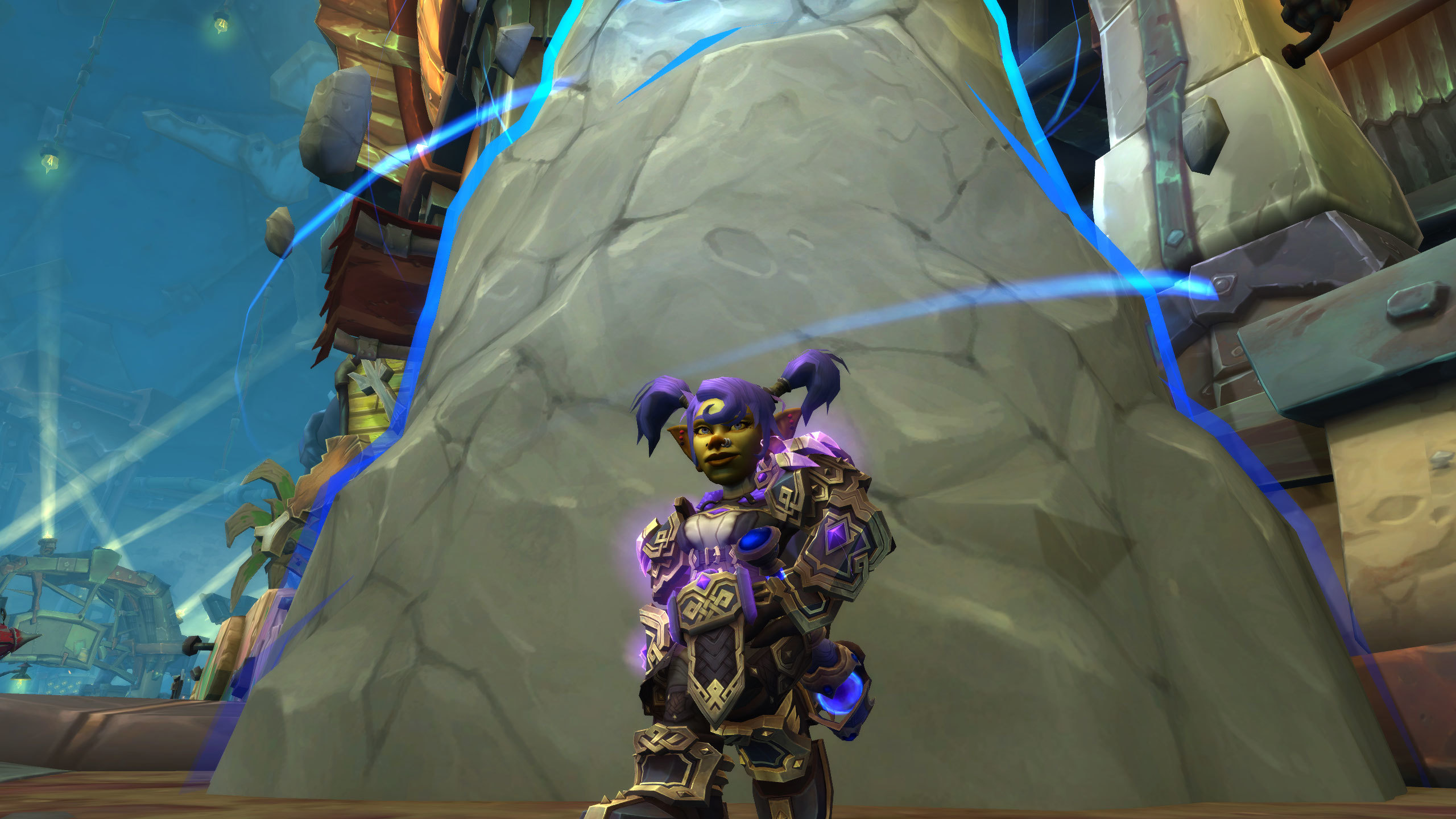
Modern class survivability tools increasingly reward proactive defensive play instead of last-second reactions. Defensive kits are designed to be used before damage peaks, not after health bars collapse.
This shift changes how players approach danger. Survival becomes a planned process driven by anticipation and timing rather than emergency recovery.
Proactive Defenses Reduce Healing Strain
Using survivability tools early smooths incoming damage. Instead of sudden spikes, health loss becomes predictable and manageable.
This consistency allows healers to plan efficiently, preserving cooldowns for moments that truly require intervention.
Anticipation Outperforms Reaction
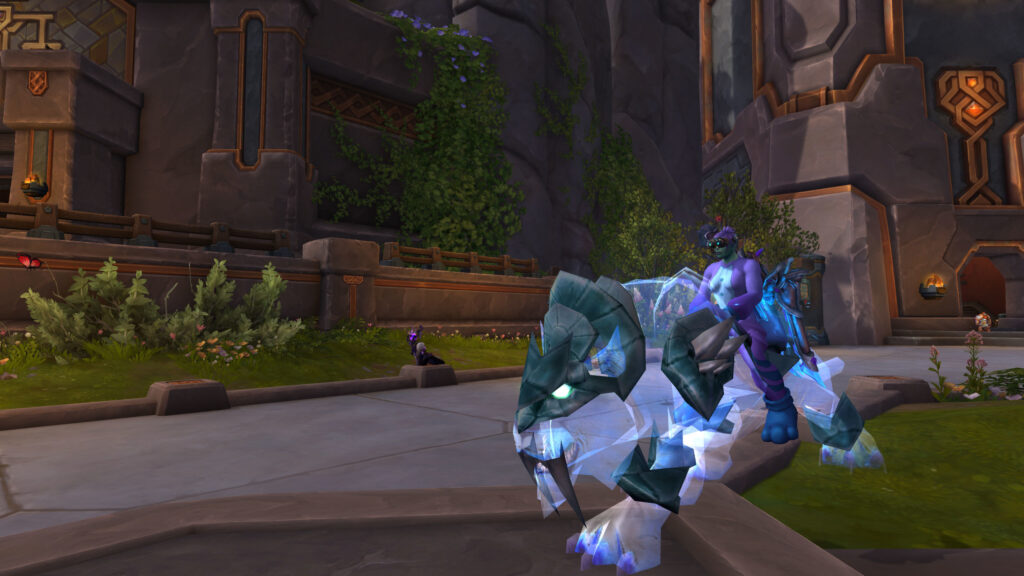
Reactive defensive usage often arrives too late to prevent critical damage. Even perfectly timed reactions may not fully offset stacked mechanics.
Proactive play acknowledges danger before it happens. Players activate defensives during setup phases, ensuring coverage when damage lands.
Survivability Tools Shape Role Responsibility
Classes with layered defensives are expected to self-manage more responsibility. This reduces reliance on external support.
Groups plan around these toolkits, assigning mechanics to players capable of absorbing pressure safely.
| Defensive Approach | Timing | Outcome |
|---|---|---|
| Proactive usage | Before damage | Stable survival |
| Reactive usage | After spike | Emergency recovery |
| Layered defensives | Planned sequence | Pressure control |
| No preparation | Late response | High failure risk |
Proactive Play Builds Consistency
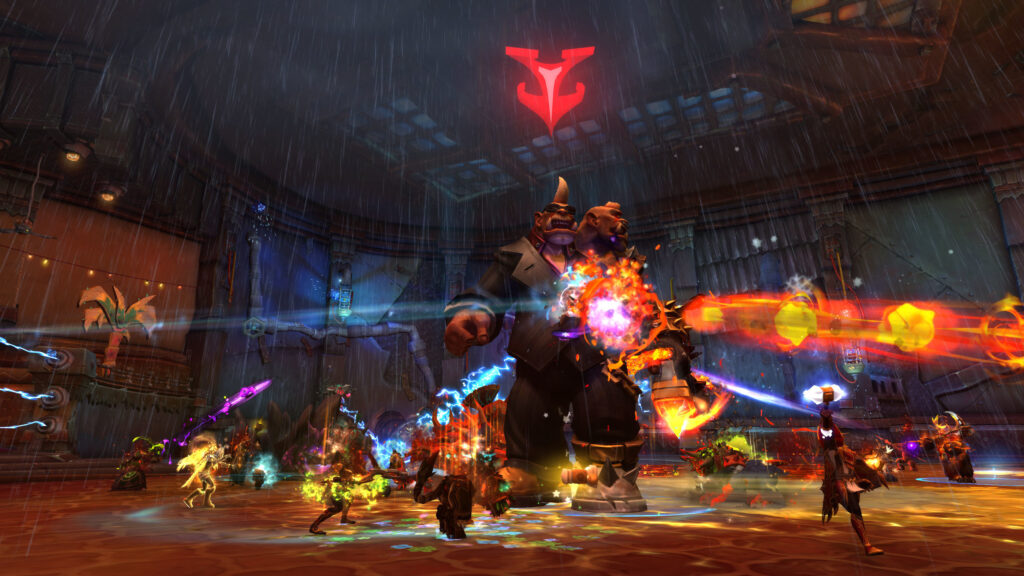
Players who plan defensives ahead of time perform more consistently across encounters. Survival becomes repeatable rather than situational.
This consistency compounds across runs, reducing wipes caused by unpredictable damage spikes.
Conclusion

Class survivability tools encourage proactive defensive play by rewarding anticipation over reaction.
Players who plan defensively stay alive longer, reduce group strain, and contribute to cleaner, more controlled encounters
Home