
Introduction
With the introduction of cross‑realm zones, communities, and group finders, World of Warcraft has steadily torn down the walls that once confined players to single servers. Today, a player in Stormrage can queue with a friend on Area 52, and guilds span multiple realms without missing a beat. But as the lines between realms blur, what lies ahead for Azeroth’s social fabric?

In this article, we’ll explore the evolution of cross‑realm technology, assess its benefits and trade‑offs, and speculate on how Blizzard might deepen the sense of belonging in an ever‑more connected world. Whether you’re a veteran anchor on a legacy server or a casual looking for more friends to quest with, understanding these shifts will help you navigate—and shape—the future of WoW’s social landscape.
From Duels to Dragonstrike: Evolution of Cross‑Realm Features
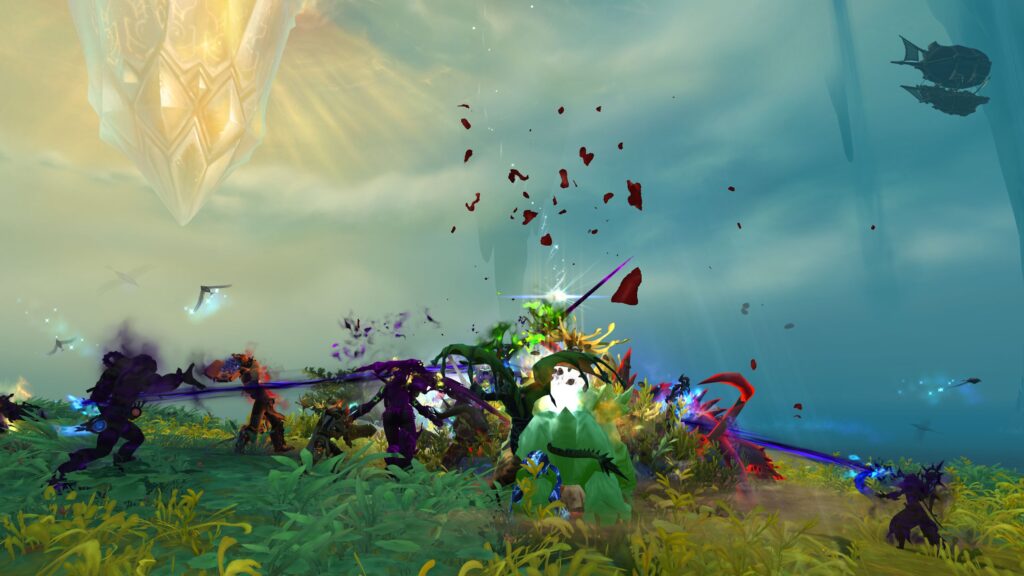
Cross‑realm technology began modestly: shared battleground pools in Wrath of the Lich King improved queue times, but competing against strangers felt impersonal. Cataclysm’s cross‑realm zones filled world quest groups, yet local server identity weakened. In Shadowlands, the Communities feature reunited old friends across realms, while Dragonflight’s Connected Realms allowed free guild and auction house interaction.
Key milestones include:
- Wrath LFG/Battlegrounds: First taste of cross‑realm queues, cutting wait times but fragmenting server culture.
- Mists Cross‑Realm Zones: Seamless world quest groups, but sometimes awkward faction mixtures in overworld proximity.
- Communities & Cross‑Realm Guilds: Unified chat channels and roster management for friends and guildmates on disparate realms.
- Dragonflight Connected Realms: Full auction, guild, and calendar integration that mimics a single mega‑server experience.
Each step improved convenience, but also raised questions about what binds us to a shared “home” in Azeroth.
Benefits vs. Challenges of a Realm‑Less World
Cross‑realm integration brings clear advantages:
- Faster Queues: More players in every pool means quicker dungeons, raids, and PvP matches.
- Larger Communities: Opportunity to meet like‑minded players beyond the constraints of server population or time zone.
- Guild Growth: Recruitment from multiple realms expands raiding rosters and social circles.
Yet it also introduces challenges:
- Diluted Identity: Server‑first achievements and local economy quirks lose significance.
- Community Cohesion: Cross‑realm groups can feel transient, reducing long‑term friendships.
- Competition & Economy: Auction house price swings can disadvantage small‑realm players when dumped by mega‑server sell‑offs.
Balancing these trade‑offs is critical if cross‑realm functionality is to enrich rather than erode player engagement.
Looking Ahead: Next Steps for Connected Communities
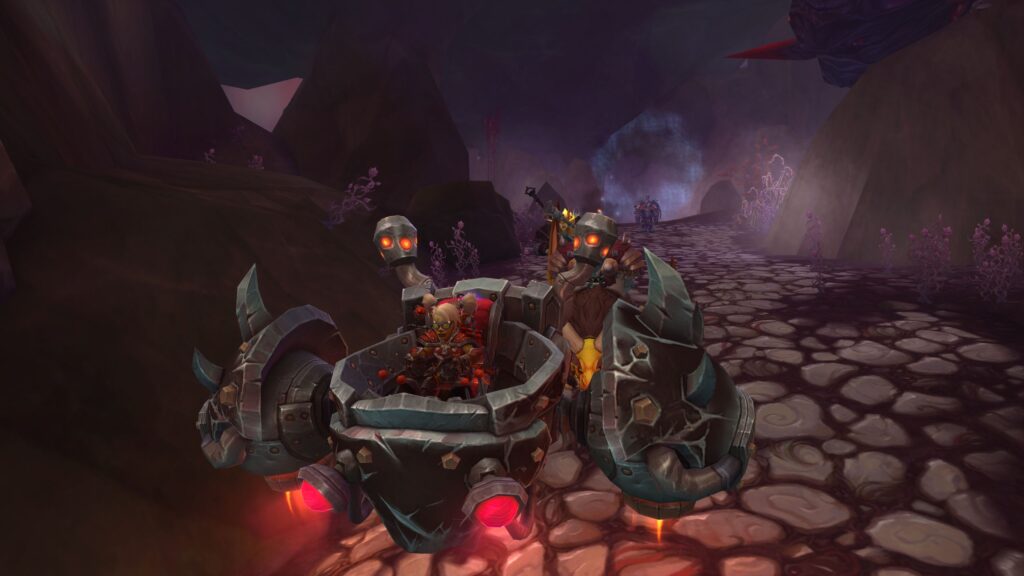
As technology advances, Blizzard could deepen cross‑realm integration with features that foster meaningful bonds:
- Realm Tributes: Map shards or status icons denoting original home realms, preserving unique server pride.
- Cross‑Realm Event Halls: Shared hub zones where players from connected realms gather for festivals, tournaments, or RP events.
- Dynamic World Scaling: Adaptive spawns and events that reflect combined activity levels, making each connected cluster feel alive.
- Inter‑Realm Housing or Guild Halls: Personalizable shared spaces to reinforce a sense of belonging among guildmates scattered across real-world locations.
By blending technical prowess with social design, WoW can maintain server traditions while embracing the advantages of scale.
Conclusion & Key Considerations

Cross‑realm systems have transformed World of Warcraft into a truly global playground, improving accessibility and group formation. However, keeping community spirit alive requires thoughtful features that honor server heritage while fostering new connections. As WoW continues to evolve, striking this balance will determine whether cross‑realm becomes a bridge to deeper camaraderie or a path toward social homogenization.
Cross‑Realm Feature Comparison
| Feature | Benefit | Potential Drawback |
|---|---|---|
| Cross‑Realm Zones | Fast world quest groups | Server identity loss |
| Communities | Unified chat & guilds | Transient membership |
| Connected Realms | Shared AH & calendar | Market competition |
| Future Hubs | Shared social spaces | Design complexity |